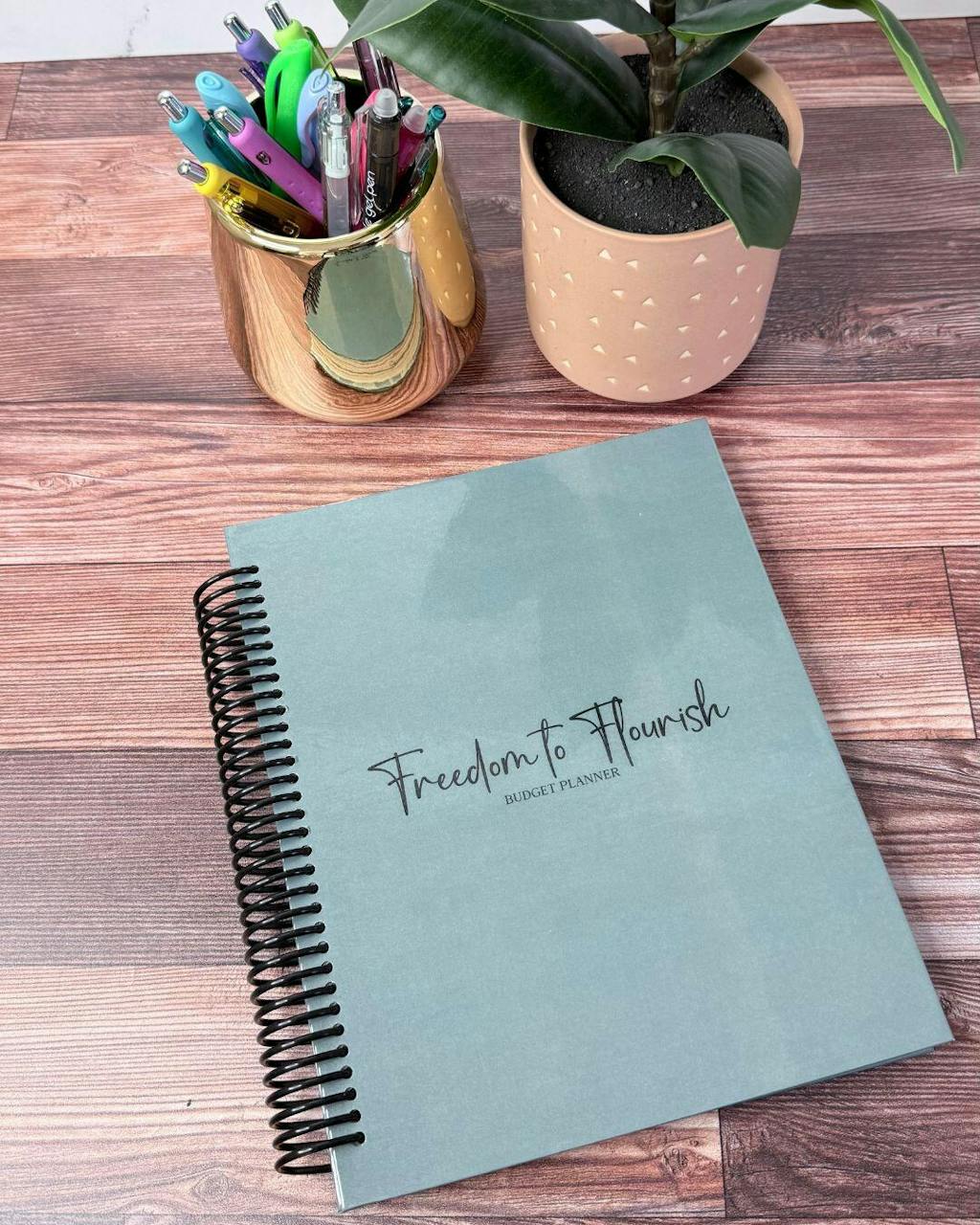
Introduction to Budgeting

Budgeting is one of the most powerful tools you can use to take control of your money. For many beginners, the word “budget” can feel restrictive, but in reality a budget is freedom. It gives you a clear plan for your income, helps you prepare for expenses, and allows you to build toward your financial goals with confidence.
Why Budgeting Matters
Without a plan, money tends to disappear quickly. You may find yourself overspending, falling behind on bills, or struggling to save for the future. A budget is your roadmap. It shows you where your money is going and helps you decide where you want it to go instead.
Tips for Beginner Budgeters
-
Start with Your Income
Write down all the money you earn each month. This includes your job, side work, or any other consistent income. Knowing exactly what comes in is the first step. -
List Your Expenses
Separate your expenses into two groups: needs and wants. Needs are your rent, utilities, food, and transportation. Wants are things like eating out, shopping, or streaming services. Seeing them on paper helps you make better choices. -
Set Realistic Goals
Decide what you want your money to do for you. Do you want to build an emergency fund, pay off debt, or save for a vacation? Start small so you do not feel overwhelmed. -
Use a Simple Method
Beginners often find success with the 50/30/20 rule. This means 50 percent of your income goes to needs, 30 percent to wants, and 20 percent to savings or debt payments. It is simple and effective. -
Track Your Spending
Write down everything you spend for at least one month. This will show you patterns and areas where you can cut back. Many people are surprised by how much the little things add up. -
Adjust as You Go
Your first budget will not be perfect. That is normal. Review your progress at the end of each month and make changes. The more you practice, the better you will get. -
Build an Emergency Fund
Try to save at least a small amount each month for unexpected expenses. Even five to ten dollars adds up. This fund will keep you from relying on credit cards when something goes wrong.
Budgeting is not about restricting your life. It is about creating a plan that allows you to live without constant financial stress. Start simple, stay consistent, and give yourself grace as you learn. Every step you take brings you closer to financial stability and peace of mind.
You Might Also Like